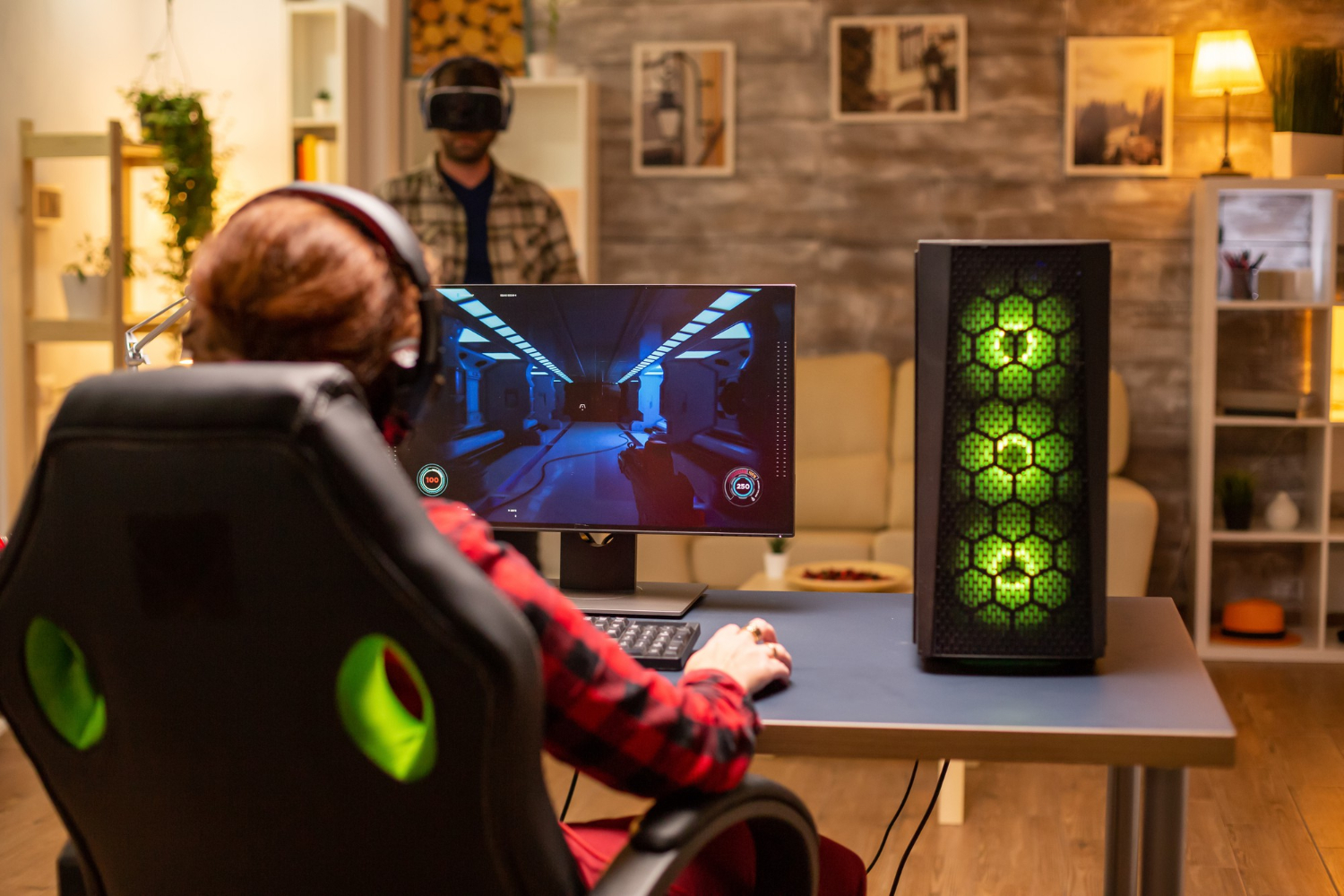
Competitive PC gaming has shifted from casual desk setups to finely tuned battle stations where every millisecond matters. Players no longer rely on raw skill alone. Hardware choices influence reaction time, accuracy, and comfort during long sessions. From esports arenas to home tournaments, accessories shape how well a player performs under pressure. The right gear can sharpen focus, reduce physical strain, and provide feedback that feels immediate rather than delayed. Many gamers underestimate how small upgrades change performance consistency across different titles. A better setup does not mean chasing flashy trends, but selecting tools that match play style and genre demands. Whether competing in shooters, strategy games, or fast-paced MOBAs, accessories play a quiet yet powerful role in raising competitive standards and confidence.
High-Performance Gaming Mouse
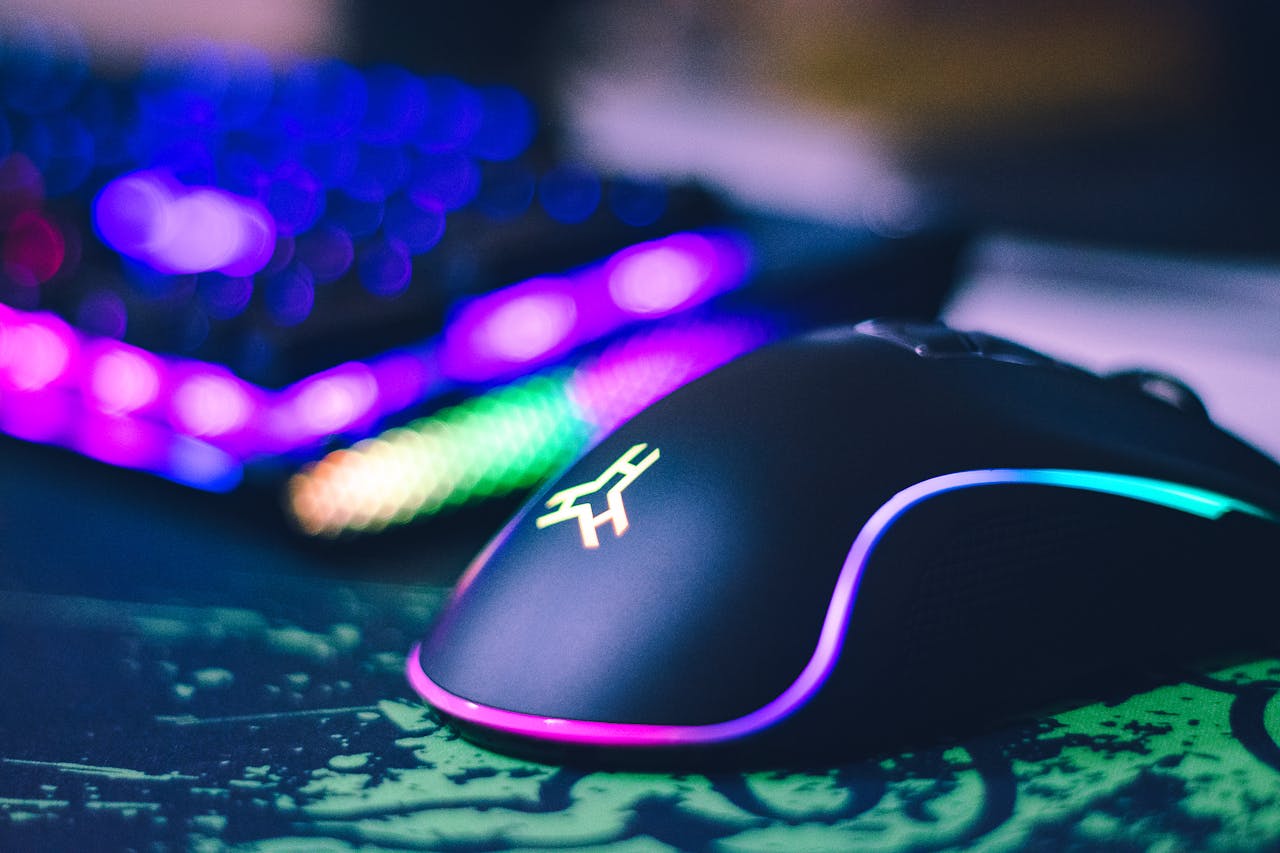
A gaming mouse remains one of the most influential accessories in competitive play. Precision aiming depends heavily on sensor quality, tracking accuracy, and response speed. Competitive mice feature high DPI sensors that register even the slightest movement without skipping or jitter. Adjustable DPI settings let players switch sensitivity profiles depending on game type, such as lower sensitivity for tactical shooters or faster movement for arena-style games. Button placement also matters. Extra programmable buttons can handle in-game actions without shifting finger position. Weight customization is another advantage, allowing players to fine-tune balance for smoother flick shots. Comfort during extended matches reduces hand fatigue, which directly affects performance consistency during tournaments or ranked sessions.
Mechanical Gaming Keyboard
Mechanical keyboards offer feedback and reliability that standard membrane keyboards struggle to match. Each key press feels deliberate, with faster actuation points that register inputs quickly. In competitive gaming, this translates to quicker movement commands and more reliable ability execution. Different switch types allow players to choose how keys respond. Linear switches provide smooth presses ideal for rapid key tapping, while tactile switches offer subtle feedback without loud clicks. Anti-ghosting and N-key rollover features prevent missed inputs when multiple keys are pressed simultaneously. This is critical in games requiring complex key combinations. A solid keyboard layout also improves hand positioning, helping players maintain rhythm during intense matches.
High Refresh Rate Gaming Monitor
A monitor often determines how clearly players perceive action on screen. High refresh rate displays, such as 144Hz or 240Hz monitors, show motion more smoothly than standard screens. This allows players to track opponents with greater accuracy, especially during fast-paced engagements. Lower response times reduce motion blur, making it easier to react to sudden movements. Competitive gamers benefit from adaptive sync technologies that reduce screen tearing without adding noticeable input delay. Screen size and resolution also influence visibility. A balanced monitor setup offers clear visuals without forcing excessive eye movement, keeping focus centered during crucial moments.
Quality Gaming Headset
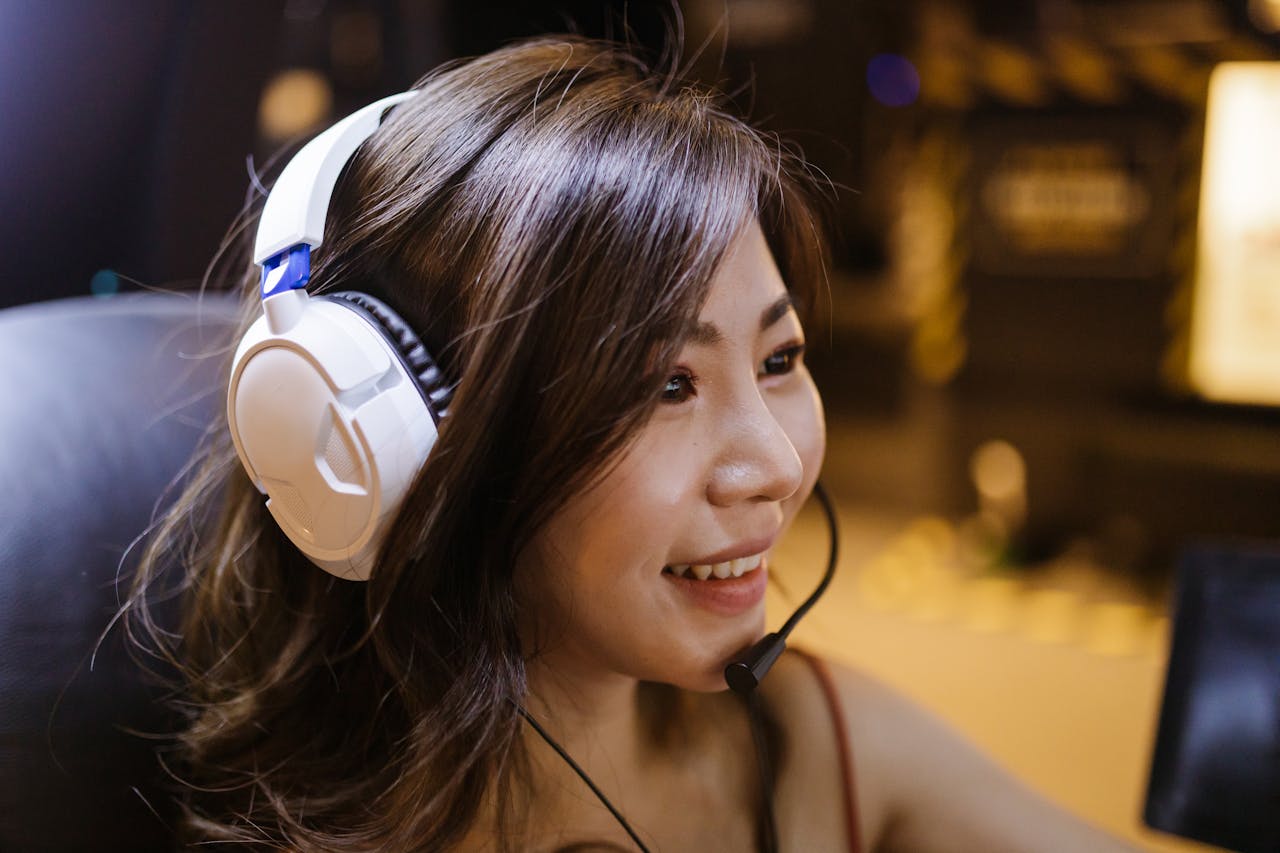
Audio awareness plays a major role in competitive success. A quality gaming headset provides clear sound cues that help players detect enemy movement, reloads, or environmental changes. Directional audio creates spatial awareness, allowing players to react before threats appear on screen. Comfort is just as important as sound quality. Lightweight headsets with padded ear cups reduce pressure during long sessions. Noise isolation helps maintain concentration in loud environments, while a clear microphone improves communication with teammates. In team-based games, effective communication often decides match outcomes, making headsets a vital accessory rather than an optional one.
Ergonomic Gaming Chair and Desk Setup
Physical comfort often gets overlooked, yet it has long-term effects on performance. An ergonomic gaming chair supports proper posture, reducing strain on the back, neck, and shoulders. Adjustable armrests, seat height, and lumbar support allow players to maintain a stable position throughout extended gameplay. A proper desk height complements the chair, keeping wrists aligned and reducing tension in the arms. Stable posture leads to steadier hand movements and better control during precision-heavy moments. Competitive gaming sessions can last for hours, and physical discomfort can quietly erode focus and reaction speed if ignored.
Competitive gaming thrives on speed, accuracy, and endurance, and the right PC accessories support all three. A high-performance mouse sharpens aim, a mechanical keyboard improves input reliability, and a fast monitor enhances visual response. Quality audio equipment boosts awareness, while ergonomic furniture sustains comfort during long sessions. Together, these tools help players maintain focus and consistency under pressure. By selecting accessories that match play style and physical needs, gamers can elevate their performance and enjoy a more controlled, confident competitive experience.