
Managing a high volume of incoming calls can be challenging for businesses that need to maintain quick response times without compromising customer experience. Modern answering services rely on advanced technology to streamline call handling, ensuring that no inquiry goes unanswered even during peak periods. IT Answering Service integrate tools such as cloud-based systems, intelligent routing, and real-time monitoring to distribute calls and reduce wait times efficiently. These technologies allow businesses to scale their communication efforts while maintaining consistency and reliability. This article explores how answering services use technology to handle high call volumes and support seamless customer interactions.
Call Routing Systems and Intelligent Distribution
One of the most important technologies used in answering services is call routing. These systems direct incoming calls to available agents based on predefined criteria such as availability, priority, or specialization. Intelligent distribution ensures that calls are allocated efficiently, reducing waiting times and preventing bottlenecks. By analyzing call patterns and agent capacity, routing systems maintain a balanced workload across the network. This automated distribution ensures consistent performance even during periods of high demand, enabling answering services to process calls in a structured, organized manner.


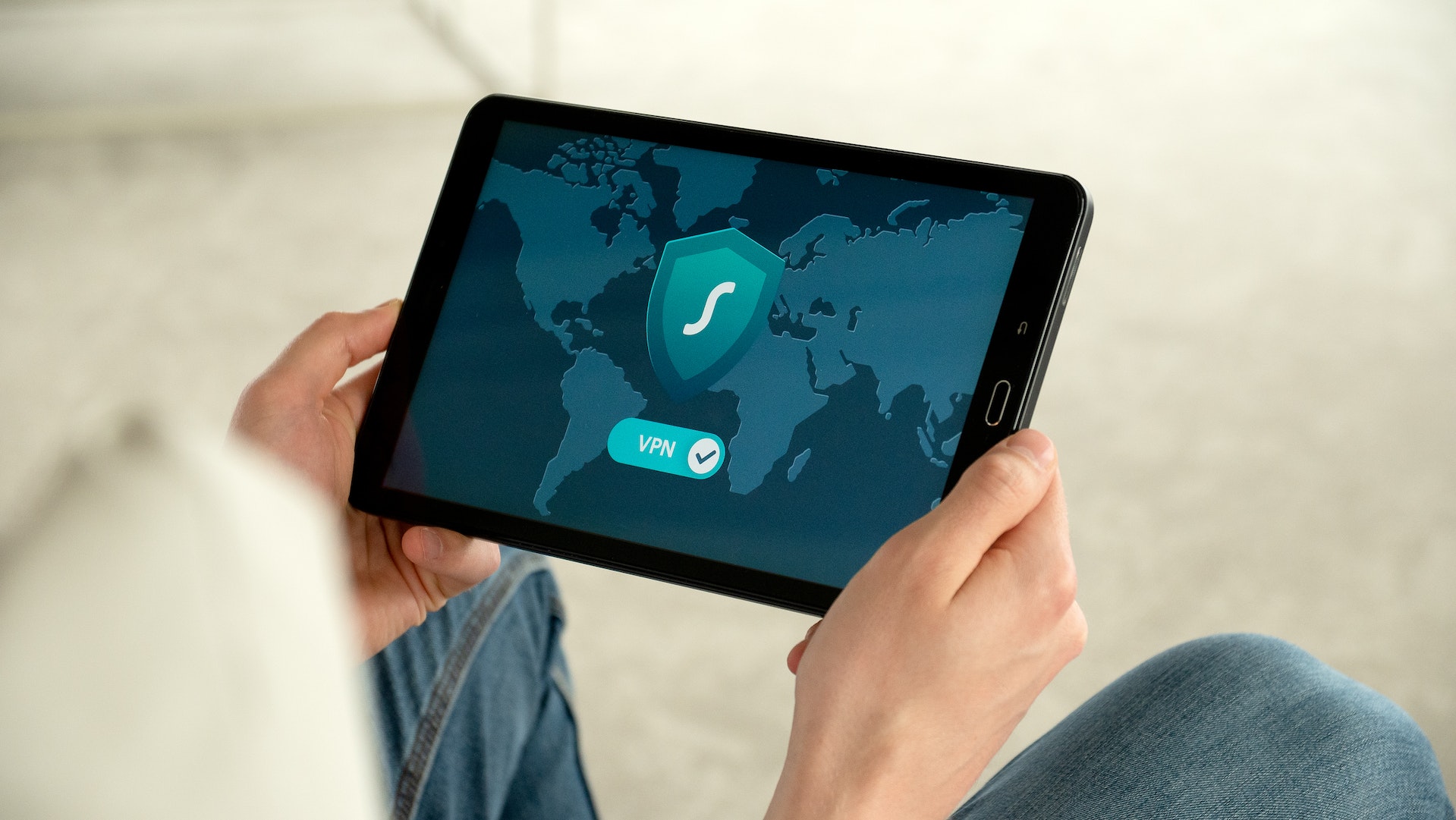
 Imagine trying to access an educational video or research paper online, only to be met with a frustrating message that it’s not available in your region. This is where a VPN comes in handy – by masking your IP address and allowing you to bypass geo-restrictions, you can unlock a world of valuable resources at your fingertips. Whether it’s streaming services like Netflix for some leisure time or academic journals behind regional barriers, the best vpn empowers you to break through these digital borders effortlessly.



 The first recorded weaponry was in the ancient Sumerian civilization, where they used spears and bows for hunting animals. These were also the first people to domesticate horses, which allowed them to travel long distances and fight in open areas. As time went on, other civilizations began to develop their weapons. The Egyptians used maces, swords, and shields in battle, while the Greeks used javelins and spears. The Romans were known for using the gladius, a short sword perfect for close …




 While it might sound …